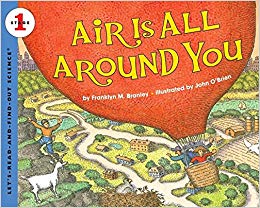
Air Is All Around You
分級讀本/橋梁書
Air Is All Around You
書籍資訊
| 適讀年齡 | 4 - 8 |
| 適合年級 | P - 1 |
| 字數 | 711 字 |
| Grade level equivalent | 2.0 |
| AR level | 2.6 |
| F&p/guided reading level | |
| Lexile | |
| DRA level | |
| 出版社 | HarperCollins |
| 出版日期 | June 2006 |
Describes the various properties of air and shows how to prove that air takes up space and that there is air dissolved in water.
同系列的其他書籍
What's It Like to Be a Fish?
Could you live underwater?You can't breathe underwater, but a fish can. You can't eat underwater, but a fish does it every day. A fish's body is perfectly designed for life in water, just as your body is perfect for living on land. Read and find out how a fish's sleek body, fins, scales, and gills keep him in the swim! Then read on to learn how to set up your own goldfish bowl.
From Caterpillar to Butterfly
A caterpillar comes to school in a jar and the class watches the caterpillar each day as it grows and changes. Soon, it disappears into a hard shell called a chrysalis. Where did it go? This is a perfect beginner's guide to the mystery of metamorphosis. Named as a NSTA/CBC Outstanding Science Trade Books for Children, this book explains the life cycle from caterpillar to butterfly with easy-to-follow prose from Deborah Heiligman and warm, colorful illustrations from Bari Weissman. This is a Stage 1 Let's-Read-and-Find-Out, which means the book explains simple science concepts for preschoolers and kindergarteners. Let's-Read-And-Find-Out is the winner of the American Association for the Advancement of Science/Subaru Science Books & Films Prize for Outstanding Science Series. Supports the Common Core Learning Standards and Next Generation Science Standards
Sounds All Around
Sounds are all around us.Clap your hands, snap your fingers: You're making sounds. Read and find out how people and animals use different kinds of sounds to communicate.
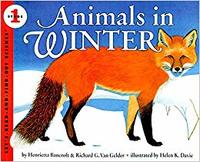
Animals In Winter
Describes the many different ways animals cope with winter, including migration, hibernation, and food storage.
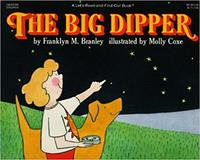
The Big Dipper
Explains basic facts about the Big Dipper, including which stars make up the constellation, how its position changes in the sky, and how it points to the North Star.
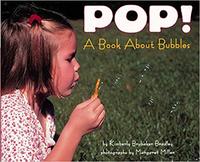
Pop! A Book About Bubbles
Why are soap bubbles always round? Why do they always go POP? Simple, clear text explains the basic science behind an activity every child loves.
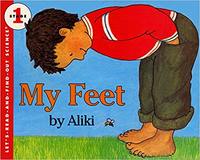
My Feet
Brief text and illustrations describe the various parts of the foot and all the things feet help us to do.
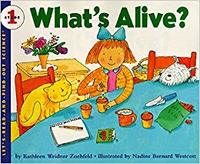
What's Alive?
Looks at the qualities people have in common with other living things, including cats, trees, and birds.
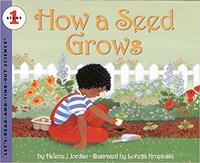
How a Seed Grows
Once, a long time ago, the oak tree in your backyard could have fit your pocket! How can a little acorn grow so big? This book shares the secret of seeds. With the right combination of water, sun, and soil a seed will send roots down into the ground and shoot leaves up into the sunlight. Seeds can grow into flowers or vegetables or even trees. Look inside to learn the simple steps for turning a packet of seeds into a garden.
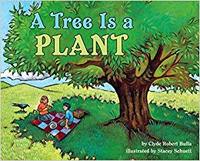
A Tree Is a Plant
A tree is the biggest plant that grows. Trees can live for a very long time, and they are alive all year long, even when they look dead in winter. Clyde Robert Bulla's accessible text and Stacey Schuett's lush, accurate illustrations follow a tree's continuous life cycle through spring, summer, winter, and fall.This is a Stage 1 Let's-Read-and-Find-Out, which means the book explains simple science concepts for preschoolers and kindergarteners. Let's-Read-And-Find-Out is the winner of the American Association for the Advancement of Science/Subaru Science Books & Films Prize for Outstanding Science Series.Supports the Common Core Learning Standards and Next Generation Science Standards.
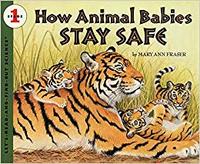
How Animal Babies Stay Safe
How do animal babies survive in a dangerous world? Activities encourage young readers to think about the ways they themselves stay safe, and teach them what to do if they encounter a baby animal in the wild.
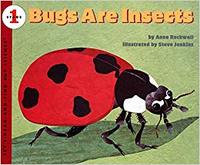
Bugs Are Insects
Is a spider an insect? Is a ladybug a bug? Lean how to tell what is an insect and what isn't, and discover the fascinating world of the tiny creatures who live in your own backyard.
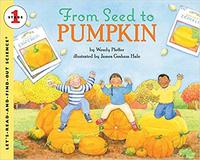
From Seed to Pumpkin
Pumpkins can be baked in a pie, carved into jack-o'-lanterns, and roasted for a healthy snack. But how does a tiny seed turn into a big pumpkin? With clear text and detailed, colorful illustrations, this book explains what a pumpkin seed needs to help it grow! This book also includes delicious pumpkin recipes and easy experiments to do with pumpkin seeds. This is a Stage 1 Lets-Read-and-Find-Out, which means the book explains simple science concepts for preschoolers and kindergarteners. Lets-Read-And-Find-Out is the winner of the American Association for the Advancement of Science/Subaru Science Books & Films Prize for Outstanding Science Series. Supports the Common Core Learning Standards and Next Generation Science Standards
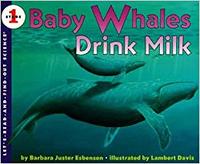
Baby Whales Drink Milk
The title epitomizes Esbensens creative presentation of an important concept: how whales differ from the fish they seem to resemble and share characteristics with other mammals. An excellent addition to the Lets-Read-and-Find-Out series.K. Introduces a full range of information about whale anatomy, development, and behavior. Esbensens simple, informative text keeps its young audience clearly in view.BL.
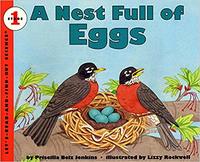
A Nest Full of Eggs
What's inside that pretty blue egg?A baby bird is growing inside that egg. Slowly the bird develops, until one day it cracks through the shell. Safe inside the nest, under the care of its parents, the chick grows stronger. Soon it will learn how to fly and take care of itself. By next spring it will be ready to build its own nest and raise chicks of its own.
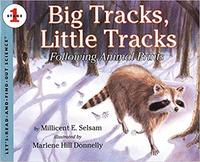
Big Tracks, Little Tracks
Keeping a sharp eye out for clues like animal tracks and odors can help people identify the animals that have passed through an area.
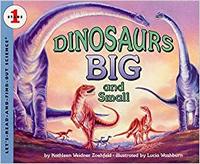
Dinosaurs Big and Small
Some dinosaurs were big. How big? As long as four school buses in a row, as heavy as sixteen elephants. Some dinosaurs were small. How small? Read and find out!
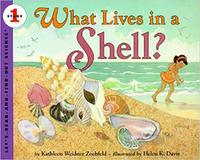
What Lives in a Shell?
What makes a shell like a house?A house is a home for you, a nest is a home for a bird, and a cave is a home for a bear. But for some animals a shell is a home. Snails and turtles and crabs and clams all have shells that act as their homes and protect them from harm. In this book you'll learn all about these and other crustaceous creatures, for whom a shell is just the right sort of home.
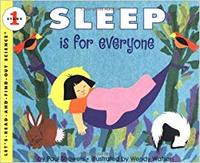
Sleep Is For Everyone
Discusses the importance of sleep and what happens to our brains and bodies during slumber.
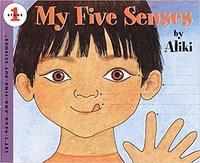
My Five Senses
Explains the five ways in which a small boy can experience and enjoy the world around him
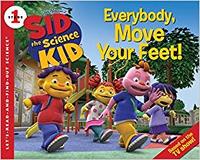
Sid the Science Kid: Everybody, Move Your Feet!
Let's-Read-and-Find-Out about ExerciseWhat would happen if you did nothing but watch TV all day? Why is it important to get up and play? Read and find out all about exercise with Sid the Science Kid!Introduce basic science concepts to young children and help satisfy their curiosity about how the world works.
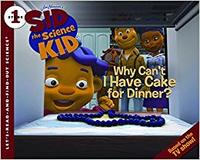
Sid the Science Kid: Why Can't I Have Cake for Dinner?
Have you ever wondered what would happen if you ate cake all the time? Why do you need to eat a lot of different kinds of food? Read and find out all about nutrition with Sid the Science Kid!
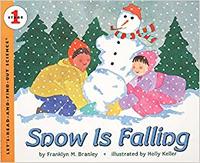
Snow Is Falling
Describes snow's physical qualities and how quantities of it can be fun as well as dangerous.
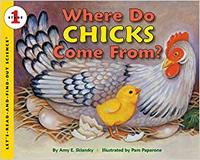
Where Do Chicks Come From?
Describes what happens day-by-day for the three weeks from the time a hen lays an egg until the baby chick hatches. Let's-Read-And-Find-Out Science Stage 1.
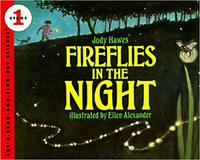
Fireflies In The Night
Describes how and why fireflies make their light, how to catch and handle them, and several uses for firefly light.
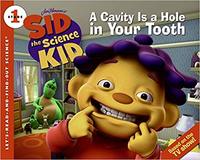
Sid the Science Kid: A Cavity Is a Hole in Your Tooth
Let's-Read-and-Find-Out About TeethHave you ever wondered what would happen if you never brushed your teeth? Why do you need your teeth to be strong and hard? Read and find out all about teeth with Sid the Science Kid!
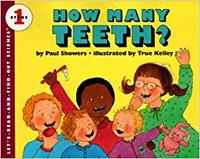
How Many Teeth?
Introduces teeth, describing how many we have at various stages of life, why they fall out, and what they do.
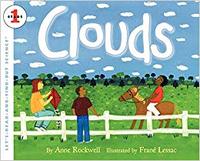
Clouds
Do you ever wake up and wonder what the weather will be? Instead of turning on the TV to find out, you can just look out your window at the clouds. How do you know what type of clouds can forecast a change of weather? Read and find out.
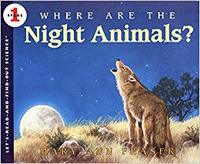
Where Are The Night Animals?
Describes various nocturnal animals--including the opossum, barn owl, coyote, brown bat, and tree frog--and their nighttime activities, and teaches new readers how to look for night animals with a special activities section.
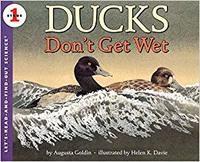
Ducks Don't Get Wet
Describes the behavior of different kinds of ducks and, in particular, discusses how all ducks use preening to keep their feathers dry.
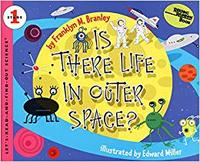
Is There Life in Outer Space?
Life In Outer SpaceBears and birds, people and planets -- many things live on planet Earth. But do they live anywhere else? For a long time people have wondered about that. Maybe you have, too. Read and find out how scientists search for signs of life in outer space.
其他您可能會有興趣的書籍
The Tricks and Treats of Halloween! (History of Fun Stuff)
Unmask the haunted history of Halloween in this fact-tastic, nonfiction Level 3 Ready-to-Read, part of a new series all about the history of fun stuff!Did you know that hundreds of years ago, people would carve Jack-O-Lanterns out of turnips and potatoes? Or that today, Americans spend nearly two billion dollars each year on Halloween candy? Learn all about the not-so-scary history of Halloween in this fun, fact-filled book. A special section at the back of the book includes relevant info on subjects like social studies and science, and theres even a fun quiz so you can test yourself to see what youve learned!
Dr. Brad Has Gone Mad!
Ella Mentry School counselor Dr. Brad believes wisecracking A.J. may be a genius and subjects him to some very strange tests to find out for sure.
Three by the sea
Three friends relax after their picnic lunch by each telling his or her best story.
Wild Predators
PBSs animated hit show Wild Kratts follows the adventures of zoologists Chris and Martin Kratt as they travel to animal habitats around the globe. Along the way, they encounter incredible creatures while combining science education with fun. Boys and girls ages 4 to 6 will love this Step 2 Step into Reading leveled reader as they activate their Creature Power Suits to go hunting with the worlds most amazing predators, such as sharks, lions, and crocodiles! Step 2 Readers use basic vocabulary and short sentences to tell simple stories. For children who recognize familiar words and can sound out new words with help.
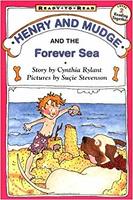
Henry and Mudge and the Forever Sea
Henry, his father, and his big dog Mudge spend a day at the beach while on summer vacation.
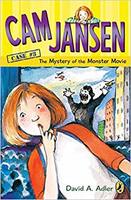
Cam Jansen and the Mystery of the Monster Movie
What wrongdoer is any match for Cam Jansen, the girl with the amazing photographic memory? Jennifer "Cam" (short for camera) Jansen and her friend Eric use her remarkable gift to track down clues and solve thrilling and puzzling mysteries.
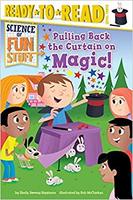
Pulling Back the Curtain on Magic! (Science of Fun Stuff)
Learn the science behind amazing magic tricks in this fact-tastic nonfiction Level 3 Ready-to-Read, part of a series about the science of fun stuff!Did you know that every time a magician uses sleight of hand, he is secretly tracking your eye movements at the same time? How does a magician make a dove appear out of thin air? Amaze your friends with the secrets you learn in this fun, fact-filled Level 3 Ready-to-Read! A special section at the back of the book includes Common Corevetted extras on subjects like geography and history, and theres even a fun quiz so readers can test themselves to see what theyve learned!
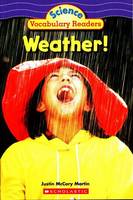
Weather!
book about weather
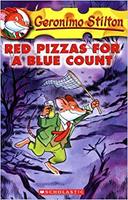
Red Pizzas For A Blue Count
Geronimo Stilton, editor of "The Rodent's Gazette," takes Thea and Benjamin along to Transratania after he gets a mysterious phone call from his cousin Trap. Geronimo believes Trap is awaiting rescue somewhere in the castle of Count von Ratoff.
From Seed to Pumpkin
Pumpkins can be baked in a pie, carved into jack-o'-lanterns, and roasted for a healthy snack. But how does a tiny seed turn into a big pumpkin? With clear text and detailed, colorful illustrations, this book explains what a pumpkin seed needs to help it grow! This book also includes delicious pumpkin recipes and easy experiments to do with pumpkin seeds. This is a Stage 1 Lets-Read-and-Find-Out, which means the book explains simple science concepts for preschoolers and kindergarteners. Lets-Read-And-Find-Out is the winner of the American Association for the Advancement of Science/Subaru Science Books & Films Prize for Outstanding Science Series. Supports the Common Core Learning Standards and Next Generation Science Standards
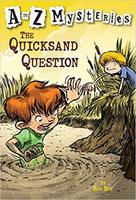
The Quicksand Question
When someone steals the money the town has been collecting to help the ducks, Josh and his friends try to find the thief.
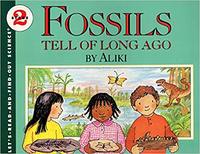
Fossils Tell of Long Ago
What is a fossil? Sometimes it's the imprint of an ancient leaf in a rock. Or it could be the skeleton of a dinosaur that has turned to stone! With clear prose and lovely, full-color illustrations, award-winning author and illustrator Aliki describes the different ways fossils are formed and what they tell us about life on Earth long ago. This book also includes an activity guide so kids can create their own fossils for someone to find a million years from now.This is a Stage 2 Let's-Read-and-Find-Out, which means the book explores more challenging concepts for children in the primary grades. Let's-Read-And-Find-Out is the winner of the American Association for the Advancement of Science/Subaru Science Books & Films Prize for Outstanding Science Series. Supports the Common Core Learning Standards and Next Generation Science Standards