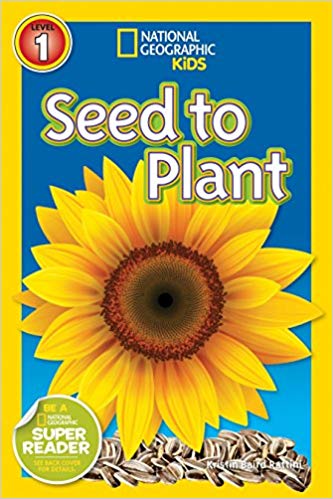
Seed to Plant
初學閱讀階段 | National Geographic Readers
Seed to Plant
K 470L
書籍資訊
| 適讀年齡 | 4 - 6 |
| 適合年級 | K - 3 |
| 字數 | 611 字 |
| Grade level equivalent | |
| AR level | 2.5 |
| F&p/guided reading level | K |
| Lexile | 470L |
| DRA level | |
| 出版社 | National Geographic Society |
| 出版日期 | January 2014 |
Combines sumptuous photography and comprehensive text in an engaging introduction to a plant's life cycle that explains how seeds grow into flowers and trees.
其他您可能會有興趣的書籍
Make Way for Dyamonde Daniel
Spunky third-grader Dyamonde Daniel misses her old neighborhood, but when she befriends a boy named Free, another new student at school, she finally starts to feel at home.
Pinkalicious: Flower Girl
Overhearing her mother talking about a "flower girl" on the telephone, Pinkalicious envisions a girl made of flowers and decides to dress up like a flower herself before learning that she is going to be participating in a beautiful wedding. By the best-selling author of Goldlicious.
Henry and Mudge in the Family Trees
Invited to a family reunion at Cousin Annie's house, Henry gets the jitters, worrying how Mudge's habits will be received. No worries. Henry soon discovers that Mudge-loving runs in the family.
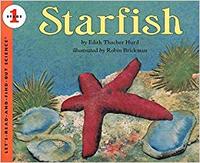
Starfish
A simple introduction to the appearance, growth, habits, and behavior of starfish.
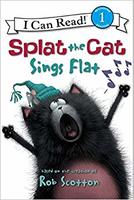
Splat The Cat Sings Flat
Splat the cat is very nervous when his class prepares to sing on Parents' Night.
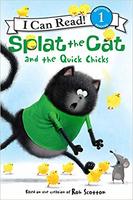
Splat The Cat And The Quick Chicks
Splat's class project is taking care of chicken eggs in this I Can Read book from New York Times bestselling author-artist Rob Scotton. When Splat takes the chicks home overnight, they hatch and run loose around his house! They pop up in the bathroom, hide inside his socks, and fall asleep in the paint box! Will Splat be able to round them all up? Beginning readers will practice words in the quick and chick word family in this easy-to-read addition to the Splat series.
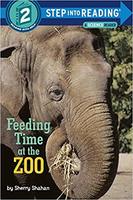
Feeding Time at the Zoo
A visual introduction to the kinds of foods that zoo animals enjoy eating is written in accessible, abridged text which reveals that polar bears love both fish and strawberries, and that pigs enjoy salad.
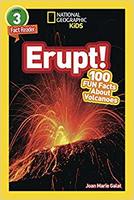
Erupt! 100 Fun Facts About Volcanoes
Kids will burst with excitement as they learn all about the science and wonder of volcanoes in this new National Geographic Kids Reader. The Level 3 text provides accessible, yet wide-ranging information for fluent readers. Plus, the book includes 100 fun facts for quick and quirky information on all kinds of volcanoes, all around the world--and even some that are out of this world! The Facts Readers series bridges the gap between short, digestible knowledge nuggets and informative sustained reading.
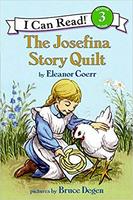
The Josefina Story Quilt
While traveling west with her family in 1850, a young girl makes a patchwork quilt chronicling the experiences of the journey and reserves a special patch for her pet hen Josefina.
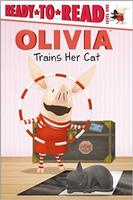
Olivia Trains Her Cat
Olivia wants her cat to be just as amazing as Francine's, who can perform incredible tricks on demand. But teaching a cat to perform isn't as easy as it looks, as Olivia soon finds out! Kids will love this charming Ready-to-Read story with rebus icons about Olivia and her pet.
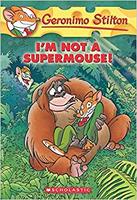
I'm Not A Supermouse!
Geronimo has always been a 'fraidy mouse, and his super-sporty friend Bruce Hyena decides that he needs to help Geronimo learn to keep calm in extreme situations. Will Geronimo prove that he truly is a super mouse?
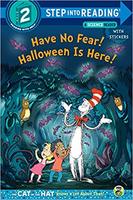
Have No Fear! Halloween Is Here!
This Step 2 deluxe Step into Reading leveled reader features The Cat in the Hat Knows a Lot About That!plus over thirty stickers! Its Halloween, and the Cat in the Hat is taking Sally and Nick on a trip to find costumes. But when they encounter a colony of tiny cave bats, they are in for a frightuntil they learn that most bats are harmless and nothing to be afraid of! Based on the PBS Kids Cat in the Hat Knows a Lot About Halloween! TV special, coming in 2016, this early reader with over thirty stickers is the perfect way for kids to celebrate the holidayand learn a bit about an iconic Halloween animal! Step 2 Readers use basic vocabulary and short sentences to tell simple stories. For children who recognize familiar words and can sound out new words with help.