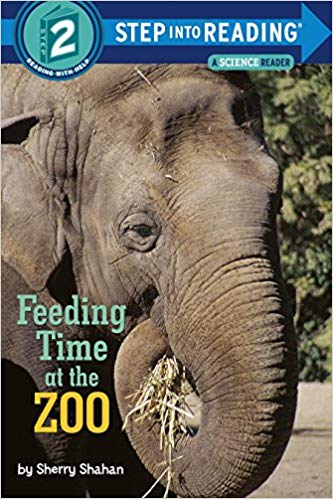
Feeding Time at the Zoo
分級讀本/橋梁書 | Step into Reading
Feeding Time at the Zoo
I 370L
書籍資訊
| 適讀年齡 | 4 - 6 |
| 適合年級 | K - 2 |
| 字數 | 字 |
| Grade level equivalent | |
| AR level | 1.5 |
| F&p/guided reading level | I |
| Lexile | 370L |
| DRA level | |
| 出版社 | Penguin Random House |
| 出版日期 | July 2014 |
A visual introduction to the kinds of foods that zoo animals enjoy eating is written in accessible, abridged text which reveals that polar bears love both fish and strawberries, and that pigs enjoy salad.
其他您可能會有興趣的書籍
Cam Jansen and the Mystery of the Stolen Corn Popper
What wrongdoer is any match for Cam Jansen, the girl with the amazing photographic memory? Jennifer "Cam" (short for camera) Jansen and her friend Eric use her remarkable gift to track down clues and solve thrilling and puzzling mysteries.
Song of the Poison Dragon
The Dragon Masters are excited to meet the newest Dragon Master, Petra. But when she arrives at the castle, she doesn't fit in right away. She's a know-it-all, and she doesn't even try to connect with her four-headed dragon! Could the Dragon Stone have chosen her by mistake? Then something terrible happens to the king. Petra will have to work with the other Dragon Masters to save him before it's too late!
Junie B. Jones And A Little Monkey Business
Junie B. Jones has a new baby brother her grandma calls ``the cutest little monkey!'' Junie has told the kids in her class that he's ``A REAL, ALIVE, BABY MONKEY,'' and she's taking bids from her ``bestest'' friends for the first look.
Geronimo And The Gold Medal Mystery
Geronimo Stilton is not a sportsmouse. He prefers relaxing in an armchair. However, with the Olympics coming up, sports are all anyone in New Mouse City can talk about. Too bad for Geronimo!
The Moon Seems to Change
Can you see the moon?Does it look like a big round ball? Or is it just a sliver of light in the sky? The moon seems to change. But it doesn't really. The moon revolves around the Earth. It takes about four weeks to make the journey, and as it travels round we can only see certain parts of it. Try the simple experiment described inside using an orange, a pencil, and a flashlight, and you'll understand why the moon seems to change.
Tut's Mummy ─ Lost ... and Found
Describes the burial of the Pharaoh Tutankhamen and the discovery of his long-lost tomb by archaeologists more than 3,000 years later.
The Magic School Bus and the Shark Adventure
Unusual book
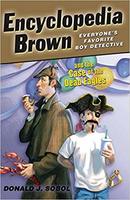
Encyclopedia Brown and the Case of the Dead Eagles
In each book, fifth-grade detective "Encyclopedia" Leroy Brown solves ten mysteries. Solutions are found in the back of the book, challenging readers to practice their own skills as sleuths (and critical thinkers).
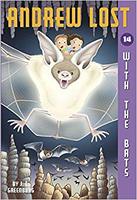
Andrew Lost with the Bats
Thanks to an invention mishap Andrew, Judy, and Thudd have been shrunk down to the size of bugs. Thats a serious problem when they get lost in a deep, dark, and bat-filled cave. Bats love to eat bugs! Will Andrew, Judy, and Thudd find a light at the end of the cave? Or is that really a glowing insect just waiting to eat them?
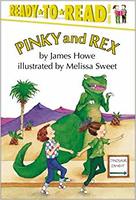
Pinky and Rex
Pinky and Rex are the best of friends, but a trip to the museum with Pinky's dad and his sister, Amanda, puts their friendship to the test. When Pinky, whose favorite color is pink, and Rex, who loves anything to do with dinosaurs, set their sights on the very same stuffed animal at the museum gift shop, it takes a little wisdom and some help from an unexpected source before the matter is neatly sorted out. Pinky and Rex is the first in a series of short chapter books about this inseparable pair by acclaimed author James Howe. Accompanied by Melissa Sweet's exuberant illustrations, Pinky and Rex captures perfectly the challenges -- and the rewards -- that true friendship brings.
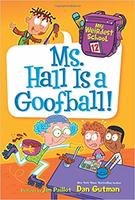
Ms. Hall Is a Goofball!
Ella Mentry School is getting a new lunch lady! Her name is Ms. Hall, and she'll do just about anything to convince A.J. and the gang that earting healthy can be fun. Will Ms. Hall succeed in bringing the who gang over to the veggie side? Things are about to get weird!
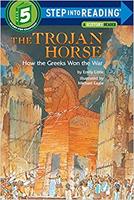
The Trojan Horse ─ How the Greeks Won the War
Details the dramatic end to the ten-year siege of Troy using vivid watercolor paintings to outline the clever Greek ploy that got them into the impregnable city